Preparing To Sell A Pacifica Coastal Home
Selling a coastal home in Pacifica is not the same as selling a home inland. Between fog, salt air, wind, and buyers who notice maintenance right away, the details matter more than many sellers expect. If you want to make a strong first impression and avoid last-minute surprises, a smart prep plan can help you protect value and launch with confidence. Let’s dive in.
Pacifica’s coastal setting shapes how your home looks, wears, and shows over time. Sea fog can move inland when warm, moist air passes over colder water, and the City of Pacifica is actively planning around coastal erosion, flooding, and severe storms along its shoreline.
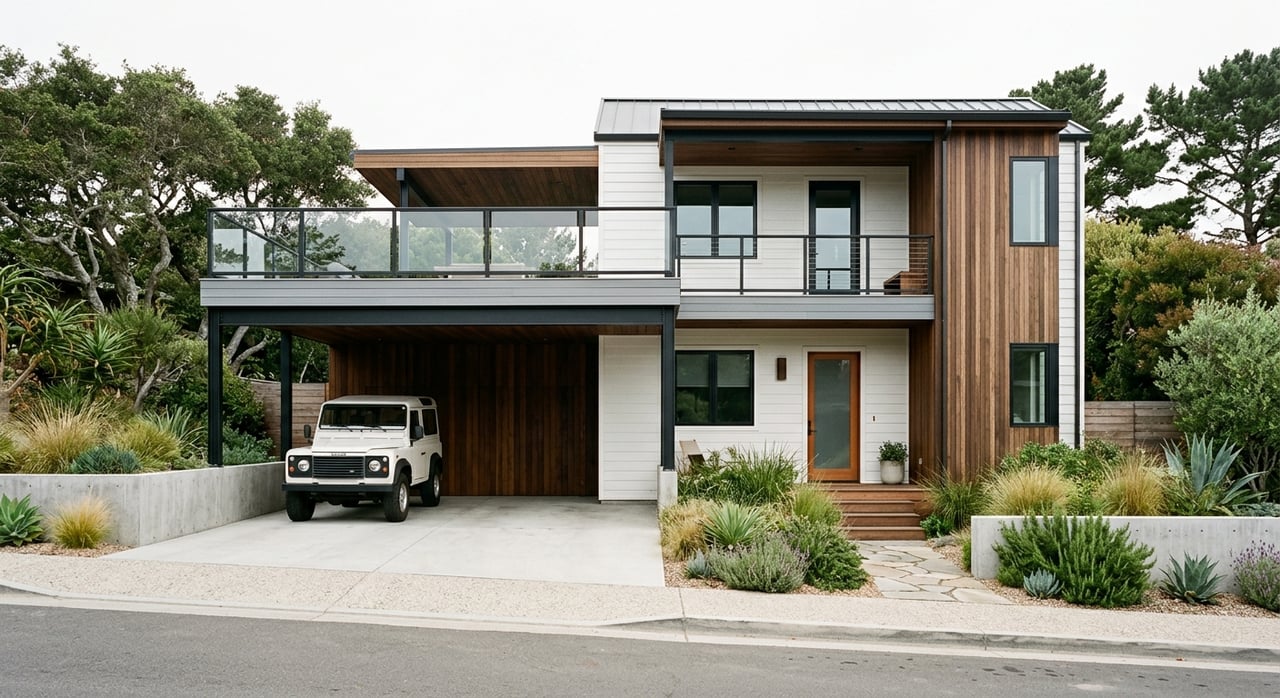
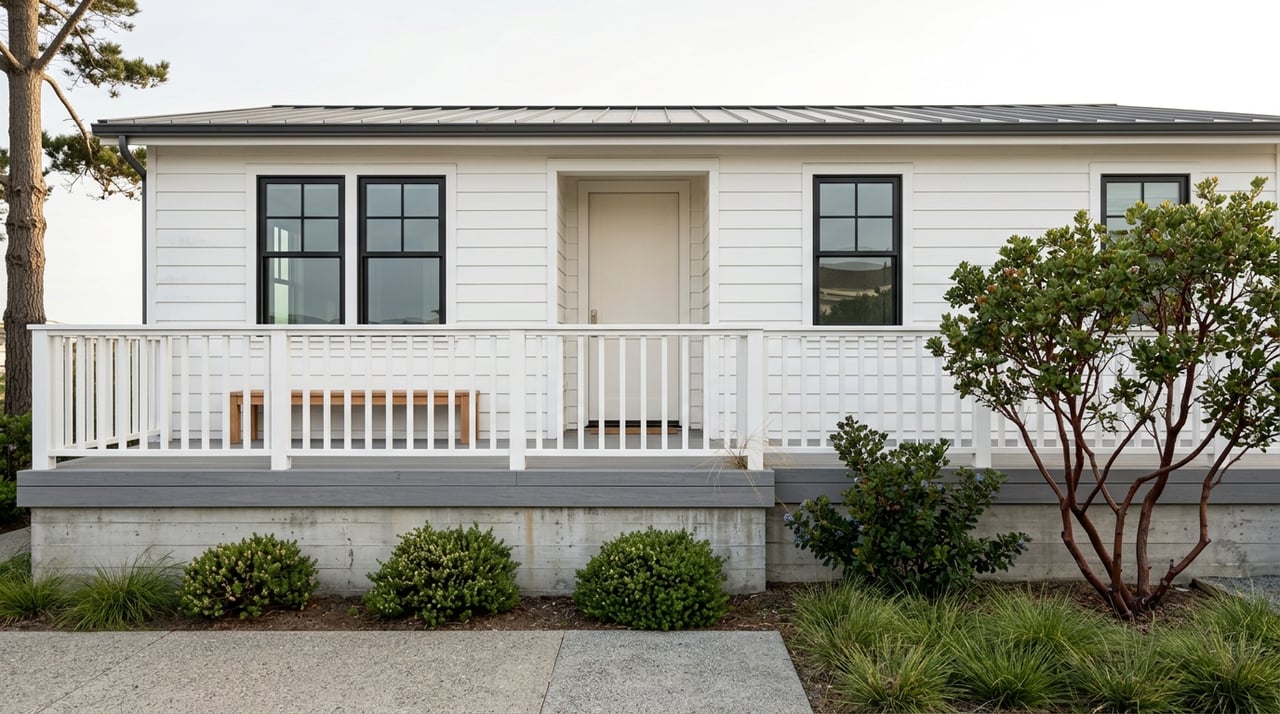
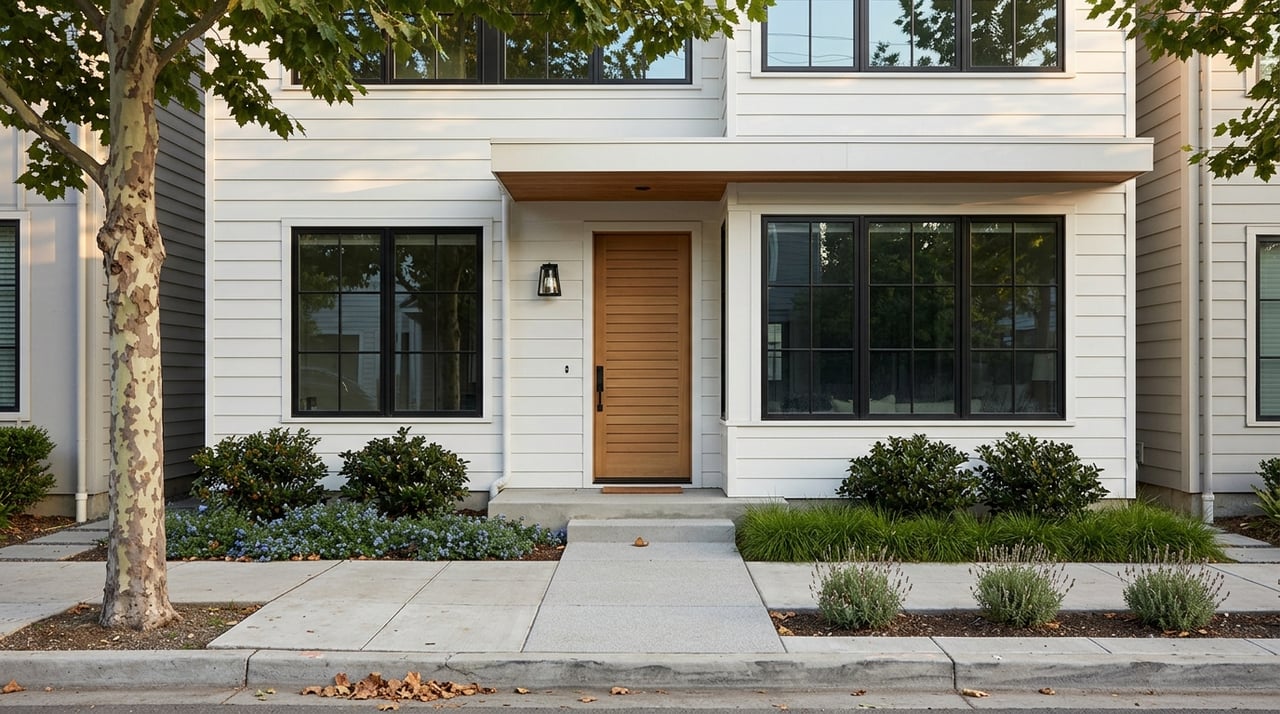
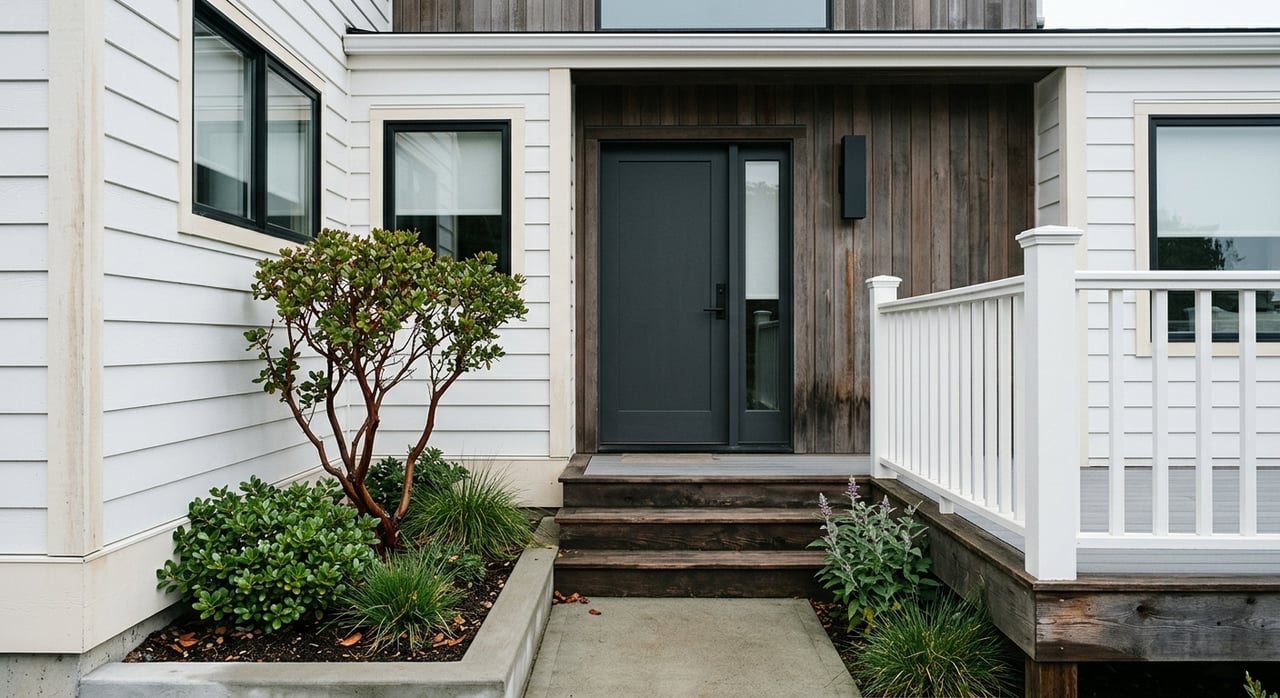
For you as a seller, that means curb appeal goes beyond fresh mulch and a tidy front door. Buyers are also looking at how your exterior has handled moisture, salt, and wind, especially on decks, railings, metal fixtures, and exposed hardware.
The local context matters even more because the City of Pacifica notes that some housing in the coastal zone is among the oldest in the city. In practice, buyers may pay close attention to visible wear, maintenance history, and signs of deferred upkeep.
Today’s buyers tend to favor homes that feel easy to move into. Recent market research shows many buyers want move-in ready condition, no major repair issues, and updated core systems like electrical, plumbing, or HVAC.
That is especially important in Pacifica, where marine air can be tough on building materials. If a buyer sees rust, peeling paint, worn deck surfaces, or drainage concerns, they may assume other maintenance has also been delayed.
Many buyers also respond strongly to features that support comfort and daily living. Popular priorities include outdoor spaces, attractive landscaping, energy-efficient windows, and practical kitchen features.
In higher-price segments, updated kitchens can carry real weight. Features like kitchen islands, quartz or granite countertops, walk-in pantries, and double vanities are often well received, while an outdated kitchen can make a home feel like a project.
If you are aiming for a strong spring launch, timing your prep early can make a meaningful difference. Zillow’s 2026 metro analysis points to the last two weeks of May as a strong listing window for the San Francisco metro, and national guidance also continues to favor late spring.
The key is to work backward from your target MLS date. If your goal is to list in late May, you will usually want several weeks in advance for repairs, cleanup, staging, photography, and any permit-related questions.
That kind of planning matters in a market that can move quickly. Realtor.com reported 83 active listings, a $1.3 million median listing price, and 29 median days on market in Pacifica in May 2026, while Redfin showed homes selling in about 13 days on average over the three months ending in May 2026.
A clean schedule helps you stay focused and avoid rushing near launch. Here is a practical way to think about the process:
Thursday is often considered a strong listing day because it gives buyers time to plan weekend tours. In Pacifica, it also helps to stay flexible so photos can be captured on the clearest available day.
Your exterior often tells buyers how well the rest of the home has been cared for. In a marine environment, salt mist and humidity can speed up corrosion, so it makes sense to inspect rust-prone areas before the home hits the market.
Pay special attention to items like:
A pressure wash, removal of salt residue, and paint touch-ups can go a long way. If something looks weathered or loose, fixing it early can improve both presentation and buyer confidence.
Pacifica sellers should also think beyond surface-level cosmetics. The city’s winter storm guidance recommends trimming branches and securing loose outdoor items, which is a useful reminder that buyers may notice whether a home looks ready for coastal weather.
Before listing, it is wise to review the roof, gutters, downspouts, drainage paths, and any exterior areas where water might collect. Even small issues can stand out during showings if buyers spot staining, overflow marks, or damp-looking areas.
This does not mean you need to renovate everything. It means addressing obvious concerns and showing that the home has been maintained with its coastal setting in mind.
A pre-listing systems check can help you avoid surprises once your home is on the market. Buyers already place a premium on homes without major repair issues, and in Pacifica that expectation often extends to anything exposed to moisture or salt air.
Consider reviewing:
When buyers feel that the major systems have been cared for, the whole property tends to feel more dependable. That can support stronger interest and smoother negotiations.
Not every improvement requires the same level of review, and in Pacifica that distinction matters. The City of Pacifica Planning Division says some interior remodels and most single-family additions need only a building permit, while projects in the Coastal Zone can require a Coastal Development Permit.
If you are considering pre-sale work beyond simple cosmetic updates, it is smart to check the scope early. The city also recommends scheduling planning appointments in advance because staff is small, so waiting until the last minute can slow your timeline.
For many sellers, the goal is not to over-improve. It is to understand which items are worth doing now, which ones need city review, and which ones are better handled through pricing and presentation.
Most buyers will see your home online before they ever step inside. That is one reason staging matters so much. According to the National Association of Realtors, staging helps buyers form an emotional connection, improves online presentation, and can raise perceived value by reducing distractions.
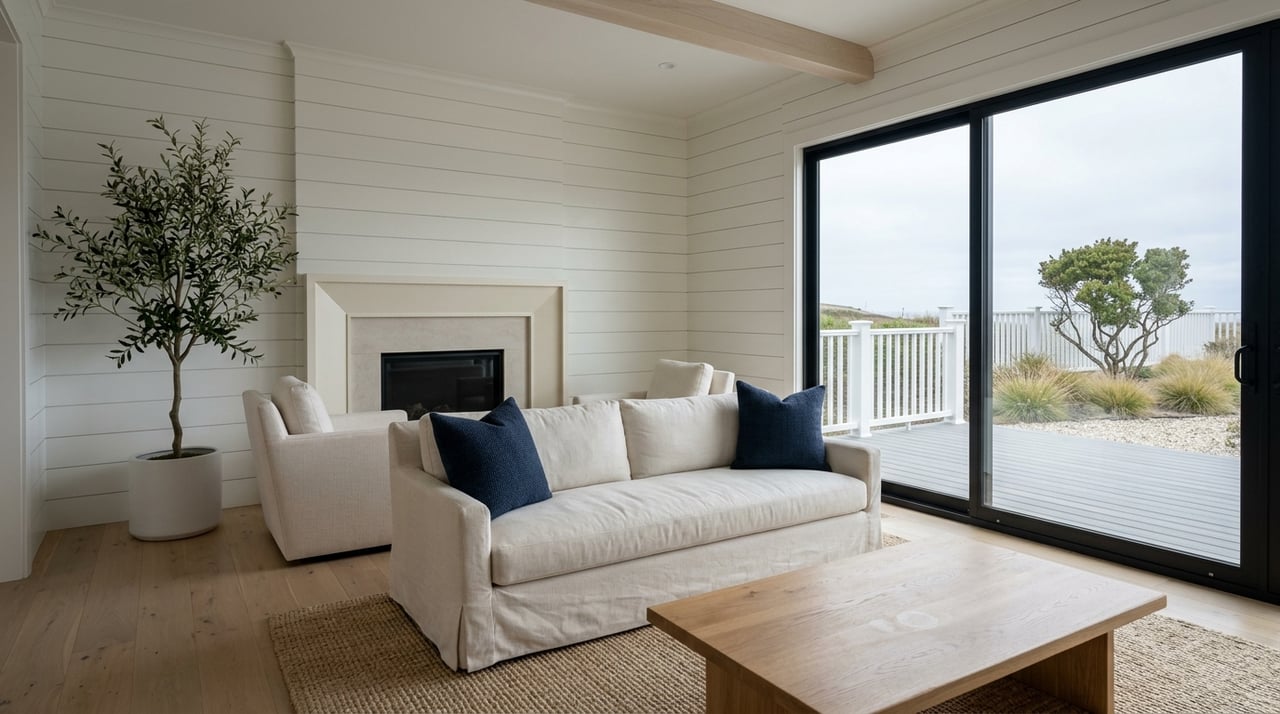
In Pacifica, staging works best when it highlights light, space, and the home’s connection to the outdoors. Clean lines, uncluttered rooms, and a simple coastal feel can help buyers focus on the property rather than the seller’s belongings.
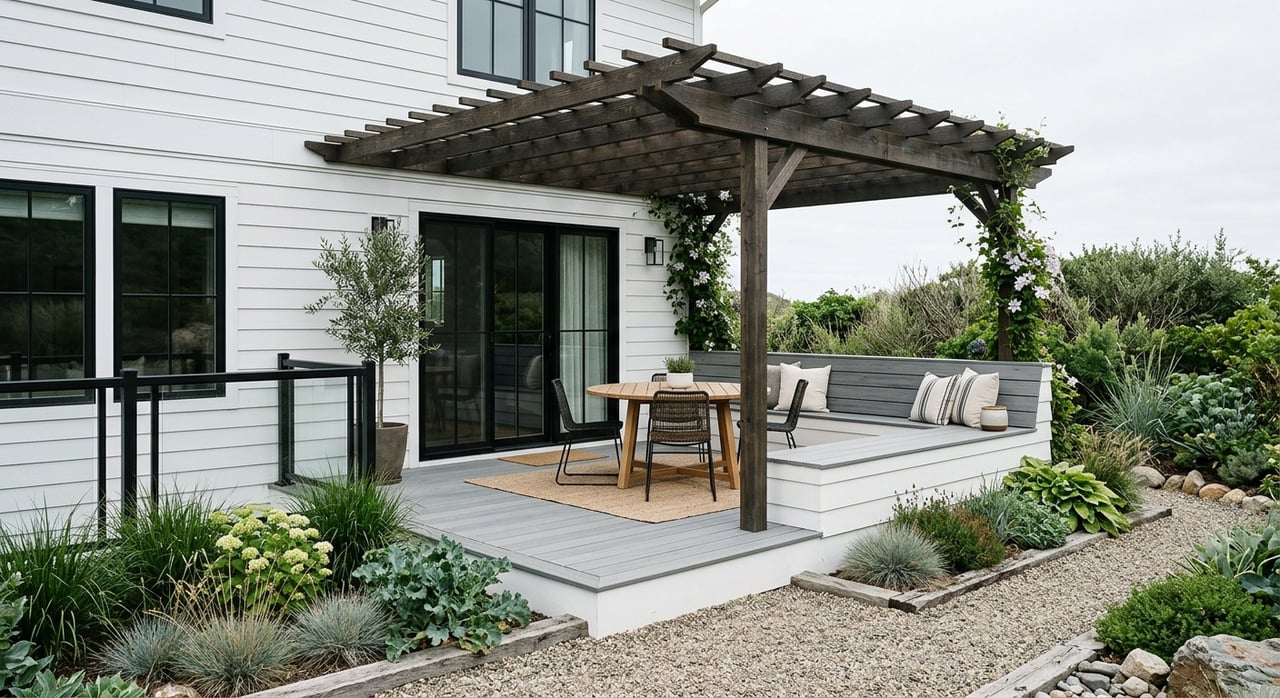
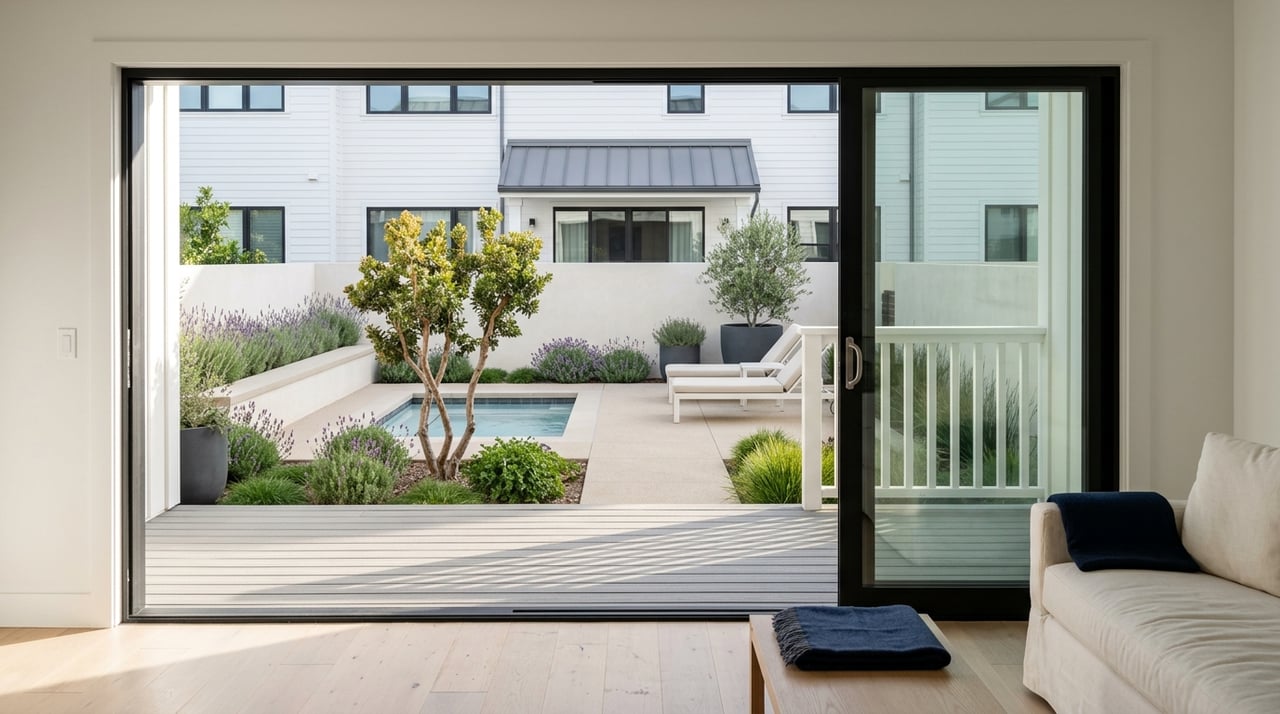
If your home has decks, patio areas, or usable outdoor space, make sure those areas look intentional and cared for. Outdoor features remain high on buyer wish lists, and in a coastal market they can be a major part of the lifestyle appeal.
You do not always need a full remodel to make a kitchen or bath show better. Small updates like refreshed hardware, improved lighting, decluttering counters, and crisp paint can make these rooms feel more current.
That said, buyers often react strongly to outdated kitchens. If your home competes in a higher price range, it may be worth evaluating whether targeted improvements can help the home feel more aligned with buyer expectations.
Look for simple ways to emphasize function and openness. Clear countertop space, table space in the kitchen, and a bright, clean presentation can make a strong impression even without major construction.
Once the property is ready, presentation matters just as much as preparation. Professional staging, photography, floor plans, and video can help your home stand out when buyers are comparing options quickly.
That is where local insight also helps. On the Coastside, weather can change the look and feel of a listing from one day to the next, so planning photo day around the clearest window can improve the final result.
For sellers who want a polished launch, this is not just about putting a home online. It is about telling the right story, showcasing condition and lifestyle, and helping buyers see value from the first click.
Preparing to sell a Pacifica coastal home is really about reducing friction. When you address weather-related wear, review the major systems, understand permit questions, and present the home clearly, you make it easier for buyers to say yes.
That kind of preparation can be the difference between a listing that feels uncertain and one that feels ready. In a market where buyers move fast and expectations are high, a thoughtful plan gives you a real advantage.
If you are thinking about selling on the Coastside, working with an experienced local advisor can help you prioritize improvements, coordinate marketing, and launch at the right time. To start the conversation, reach out to Frank Vento.