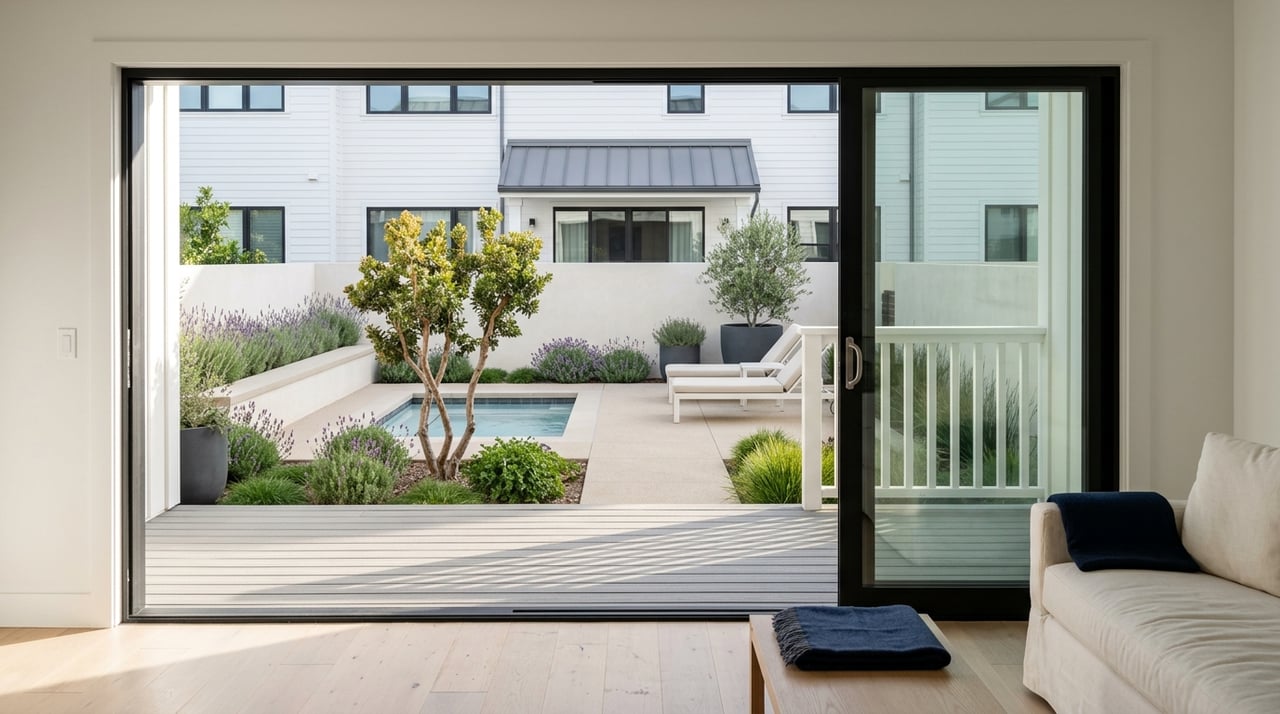
San Mateo Condo And Townhome Living For Buyers
Wondering whether a condo or townhome in San Mateo is the right fit for your next move? You are not alone. Many buyers look at attached homes here as a way to get into the market, reduce day-to-day upkeep, or stay close to downtown, Caltrain, and major commute routes. This guide will help you understand how condo and townhome living works in San Mateo, what the tradeoffs look like, and what to review before you buy. Let’s dive in.
San Mateo is planning for significant housing growth, and attached housing is a major part of that picture. The city’s 2023-2031 Housing Element was adopted in 2024 and certified by HCD on June 1, 2026, and it must accommodate at least 7,015 new homes.
City project pages show that condos and townhome-style homes are central to that pipeline. Recent examples include 1650 S. Amphlett with 192 townhome-style condominiums plus 64 detached homes, 1770 S. Amphlett with 159 three-story townhome-style units, and 2015 Pioneer Ct. with 10 townhouse-style homes that include attached two-car garages and private patios.
For buyers, that means attached housing is not a niche category in San Mateo. It is an important and growing part of the local market, with options that can serve first-time buyers, move-down buyers, and people who want a more lock-and-leave lifestyle.
In San Mateo, condos are generally the more common attached-home option. Recent market data showed about 102 condos for sale last month compared with 21 townhouses.
There is also a notable price difference between the two categories. Median listing prices were around $798,000 for condos and about $1.39 million for townhouses, which places many townhomes closer to detached-home pricing than buyers sometimes expect.
That gap matters when you set your budget and your expectations. If you are looking for the lower-entry attached option in San Mateo, condos will usually give you more choices.
San Mateo condos can range from smaller urban units to larger homes in service-rich buildings. Current examples include one-bedroom units with lofts and private balconies, typical two-bedroom condos with in-unit laundry and secure parking, and larger single-level residences with panoramic views.
Shared amenities can be a big part of the appeal. Depending on the building, you may find features like pools, spas, cabanas, exercise rooms, guest suites, storage, saunas, sport courts, and 24-hour lobby attendants.
If you want simpler exterior upkeep and building amenities, condos often check those boxes. The tradeoff is that you are usually buying into a more structured HOA environment, with dues and building rules that can vary a lot from one project to another.
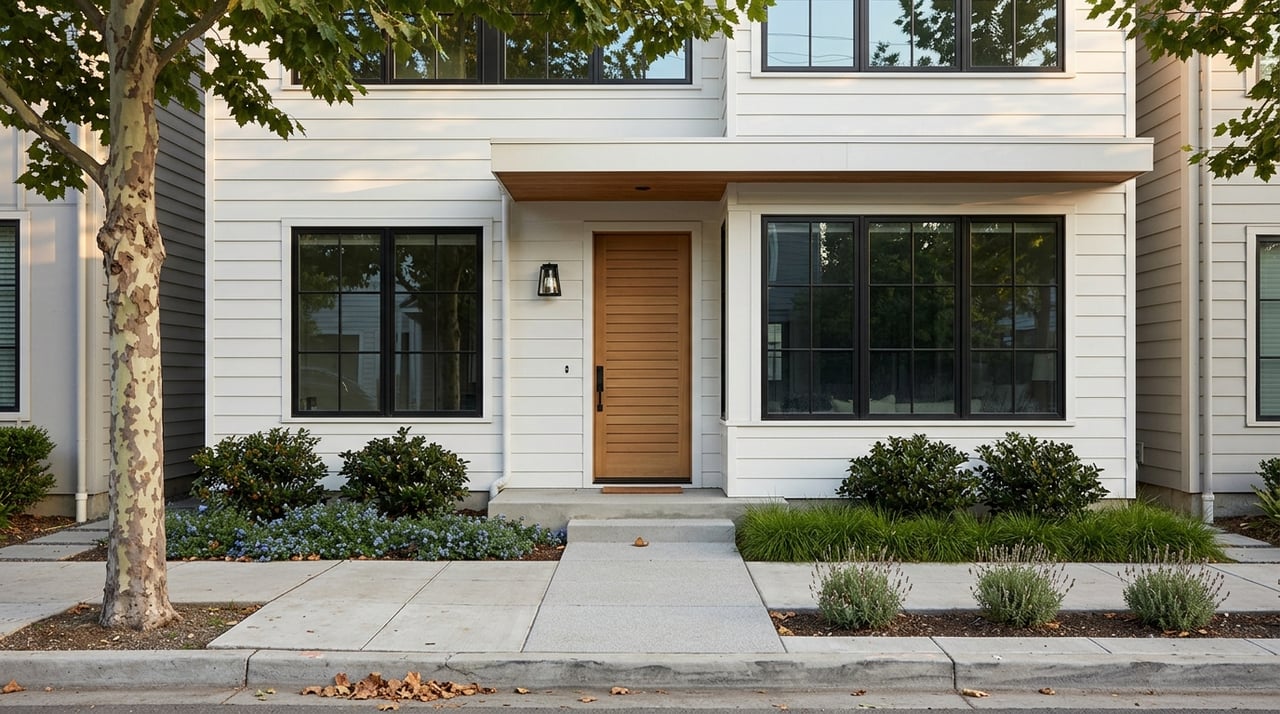
Townhomes in San Mateo often feel more like small houses. Current examples show open floor plans, high ceilings, bedroom areas on upper levels, in-unit laundry, extra storage, attached garages, and private patios.
Newer townhome-style projects also show three-story layouts, attached two-car garages, and rooftop or second-level outdoor space. That setup can appeal if you want more separation between living and sleeping areas or more private outdoor use.
Many of these homes are located near downtown San Mateo, Hillsdale, Central Park, Caltrain, and freeway access. For buyers who want a home that supports commuting and easier travel, that can be a major plus.
One of the most important things to know is that appearance does not always tell you the ownership type. A property may look like a townhouse from the street and still be legally structured as a condominium.
California’s Department of Real Estate explains that a condominium is a legal form of ownership and a type of subdivision. Planned developments can also look very similar to standard subdivisions while still including HOA-owned or HOA-controlled common areas.
San Mateo project pages reflect this distinction by using terms like townhome-style condominiums and townhouse-style units. Before you buy, it is smart to verify the recorded project type rather than assume based on the facade, floor plan, or marketing description.
Attached-home ownership in San Mateo usually means HOA-governed living. That can simplify some maintenance responsibilities, but it also adds dues, rules, and a deeper layer of due diligence.
Under California law, the association is generally responsible for repairing, replacing, and maintaining the common area unless the governing documents say otherwise. In practical terms, that often shifts part of the exterior and shared-area upkeep from you to the HOA.
That does not mean you can ignore the details. The quality of the HOA can have a real effect on your monthly costs, your future assessments, and your overall ownership experience.
Before a transfer, the seller must provide governing documents and required disclosures. For buyers, these are some of the most useful items to review:
These documents can help you understand what the HOA covers, what rules apply, how well the association plans for future repairs, and whether there may be changes in regular or special assessments.
California’s Davis-Stirling rules require reserve studies at least once every three years. The annual budget report must also include an insurance summary and an Assessment and Reserve Funding Disclosure Summary.
Condominium projects must also complete periodic inspections of exterior elevated elements such as decks, balconies, stairways, and walkways every nine years. For a buyer, that makes reserve health and building maintenance history more than a technical detail. It is part of understanding the condition and financial stability of the community you are buying into.
Many buyers start with attached homes because they expect a lower price than a detached house. In San Mateo, that is often true, but it is not always a dramatic gap.
Recent data showed median listing prices around $798,000 for condos and $1.39 million for townhouses. San Mateo’s overall median sale price was about $1.65 million, while the countywide median sale price was about $1.755 million.
Recent neighborhood medians also show how wide the detached-home range can be. San Mateo Village was around $2.05 million, Baywood around $3.4 million, and Shoreview around $1.3 million.
That pricing helps explain why many buyers see condos or townhomes as an alternative entry point. At the same time, attached homes are better understood as a lower-maintenance, HOA-governed alternative to detached ownership, not as a universally cheaper option.
Monthly HOA dues can meaningfully change your carrying costs. Current San Mateo listing examples show a wide range, from about $769 per month in a newer condo to about $4,015 per month in a service-rich senior building.
That does not mean those figures are citywide norms. It does show how important it is to compare not just the purchase price, but also what the dues cover and how they affect your monthly budget.
When you compare homes, look at the full picture:
A condo may be a strong fit if you want a lower-entry price point and are comfortable with shared walls, shared amenities, and HOA rules. It can also work well if you value single-level living, building services, or secure-entry features.
For some buyers, a condo is the more practical way to stay close to downtown San Mateo or commuter routes without taking on the maintenance demands of a detached home. If that sounds like your goal, condos deserve a close look.
A townhome may fit best if you want more of a house-like layout, direct garage access, and private outdoor space. Many buyers are drawn to the extra separation of spaces and the more residential feel.
The tradeoff is that townhomes in San Mateo often sit at a higher price point than condos. If your budget can support it and you want a middle ground between condo living and a detached home, a townhome can be a strong option.
When you tour attached homes in San Mateo, ask questions that go beyond finishes and layout. A polished kitchen matters, but so do the ownership structure and the HOA’s financial health.
Here are a few practical questions to keep in mind:
The answers can help you compare options more accurately and avoid surprises after closing.
Condo and townhome living in San Mateo can open doors that detached-home pricing may not. You may gain a more manageable lifestyle, a convenient location, and amenities or design features that match how you want to live.
The right choice depends on more than the asking price. It depends on the legal structure, the HOA, the monthly costs, the maintenance setup, and how the property fits your daily routine and long-term plans.
If you want help comparing San Mateo condos and townhomes with a clear eye on value, ownership details, and day-to-day livability, Frank Vento can help you sort through the options and move forward with confidence.