Selling A Home In San Mateo: What Today’s Buyers Expect
Thinking about selling in San Mateo and wondering what will make today’s buyers click, book a showing, and write a strong offer? You are not alone. In a high‑price, demand‑sensitive market, smart preparation and standout presentation can mean the difference between multiple offers and weeks of waiting. In this guide, you will learn what local buyers expect online and in person, how to prep your home in 8 to 12 weeks, and which pricing and disclosure steps help you close with confidence. Let’s dive in.
Most buyers start and screen homes online. In the National Association of REALTORS 2024 profile, a large share of buyers began their search on the internet, and more than half reported the internet is where they found the home they purchased. That means your primary photo, price, and top features must land fast. According to the same report, buyers value high‑quality photos and detailed property information, so lead with bright hero images, a clear floor plan, and a crisp feature list that highlights your best attributes. You can see these buyer behavior highlights in the latest NAR Profile of Home Buyers and Sellers.
Hybrid work is still part of Peninsula life. Buyers respond to a flexible room that functions as a home office, study, or creative space. Staging a real workstation with good lighting and storage helps buyers picture daily life. Agent guidance shows that a simple office setup can boost appeal, as noted in HomeLight’s preparation guide.
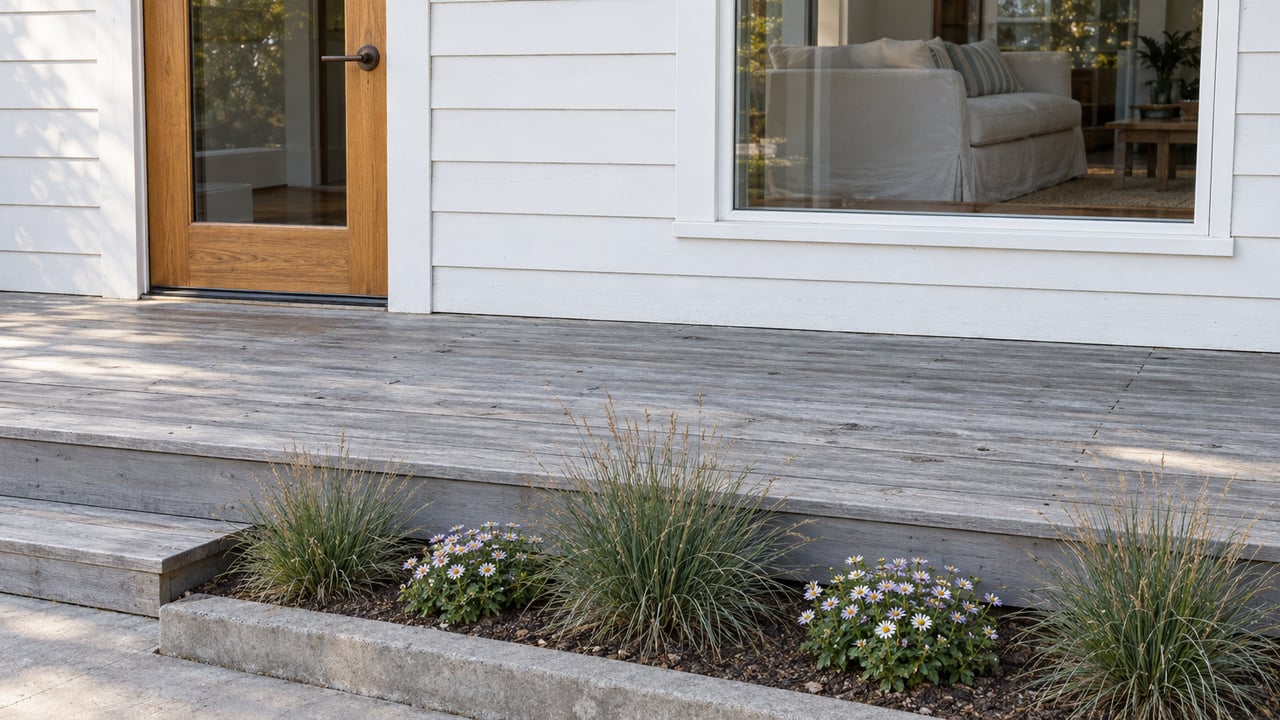
Usable outdoor space is a top wish list item. Patios, decks, and tidy yards that extend living and entertaining space help your listing stand out. In San Mateo’s mild climate, even a modest refresh with planters, seating, and lighting can make your backyard feel like an extra room.
Buyers are paying more attention to climate‑smart features. Solar, battery backup, EV charging, efficient HVAC, and upgraded insulation are showing up more often in listing copy and buyer conversations. If you have any of these, call them out early in your description. If you do not, consider a simple step like adding a 240‑volt outlet in the garage to signal EV readiness.
Move‑in readiness, updated kitchens and bathrooms, and good storage consistently rank high with buyers in national surveys, including the NAR 2024 highlights. You do not need a full remodel to compete. Fresh paint, refined lighting, hardware updates, and a deep clean often provide strong return for the cost.
A pre‑listing inspection helps you spot issues early and decide what to fix versus what to disclose. It can reduce renegotiations and late escrow surprises. Focus on safety and systems first: roof, plumbing, electrical, HVAC, and any water intrusion. For a quick overview of the process and benefits, see this pre‑listing inspection explainer, and review agent guidance in HomeLight’s prep guide.
What to prioritize before you list:
Staging helps buyers visualize living in the home and can shorten time on market. Surveys summarized by HomeLight indicate staged homes often sell faster and can see a price lift compared to unstaged properties. Focus on the living room, kitchen, primary bedroom, and a home office zone. Keep lines clean, remove bulky pieces, and use neutral, bright textiles. For more context on impact, review these staging statistics.
High‑quality media is no longer optional. Buyers rank great photos and detailed information as among the most valuable parts of a property website, according to NAR’s 2024 highlights. Include a measured floor plan so buyers can understand flow and furniture fit. Add a Matterport or similar 3D tour and a short 60 to 90 second video to boost engagement and help remote or busy buyers pre‑qualify themselves. Recent commentary shows virtual tours continue to grow in popularity, which can reduce wasted showings and speed decisions; see this note on the popularity of virtual home tours.
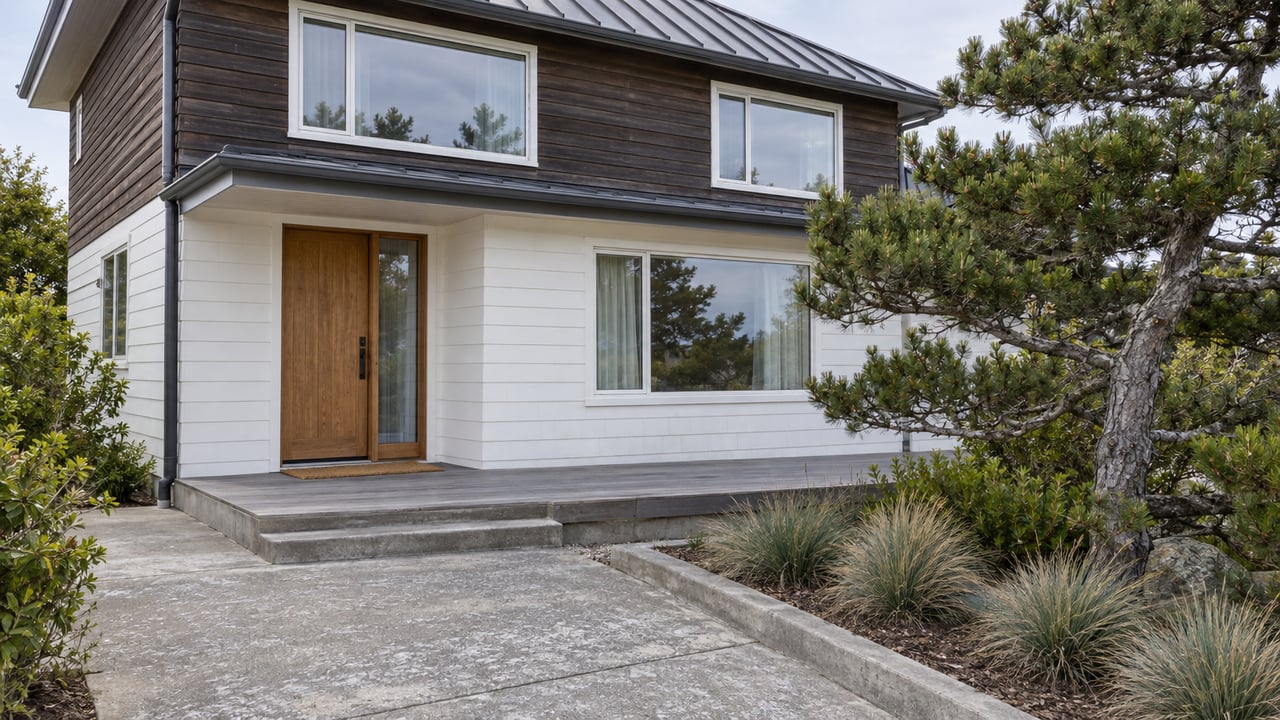
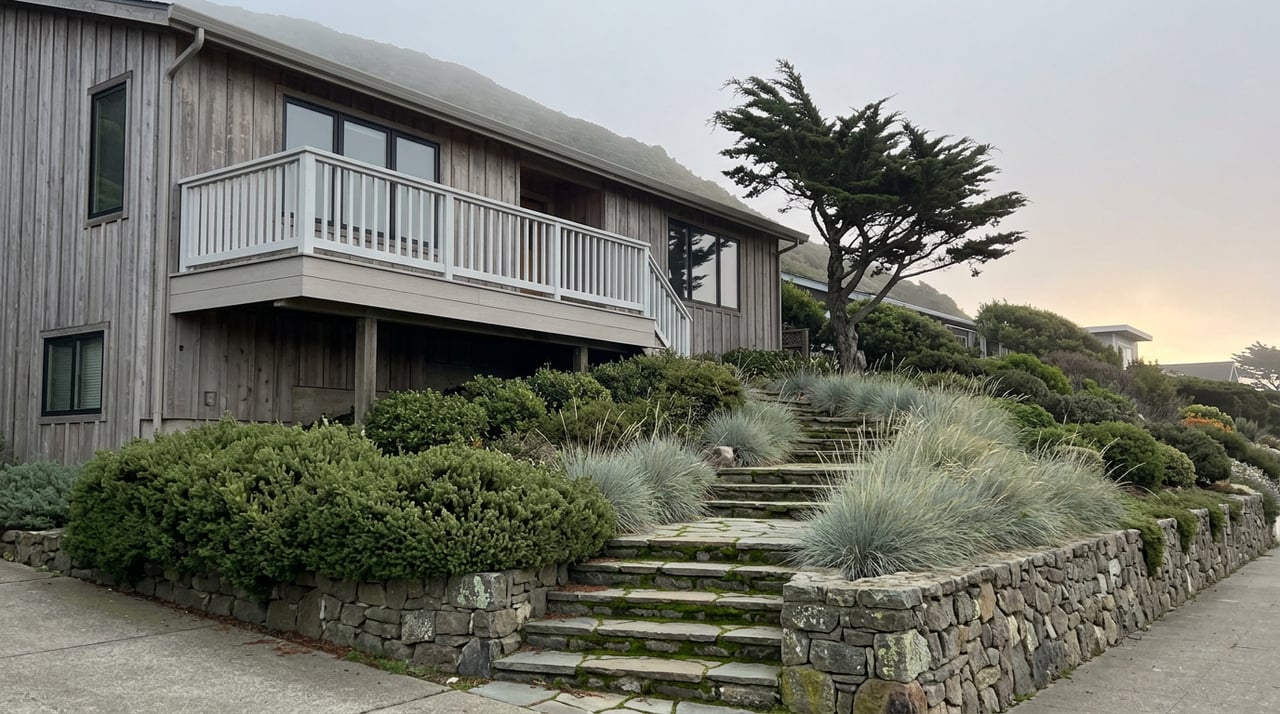
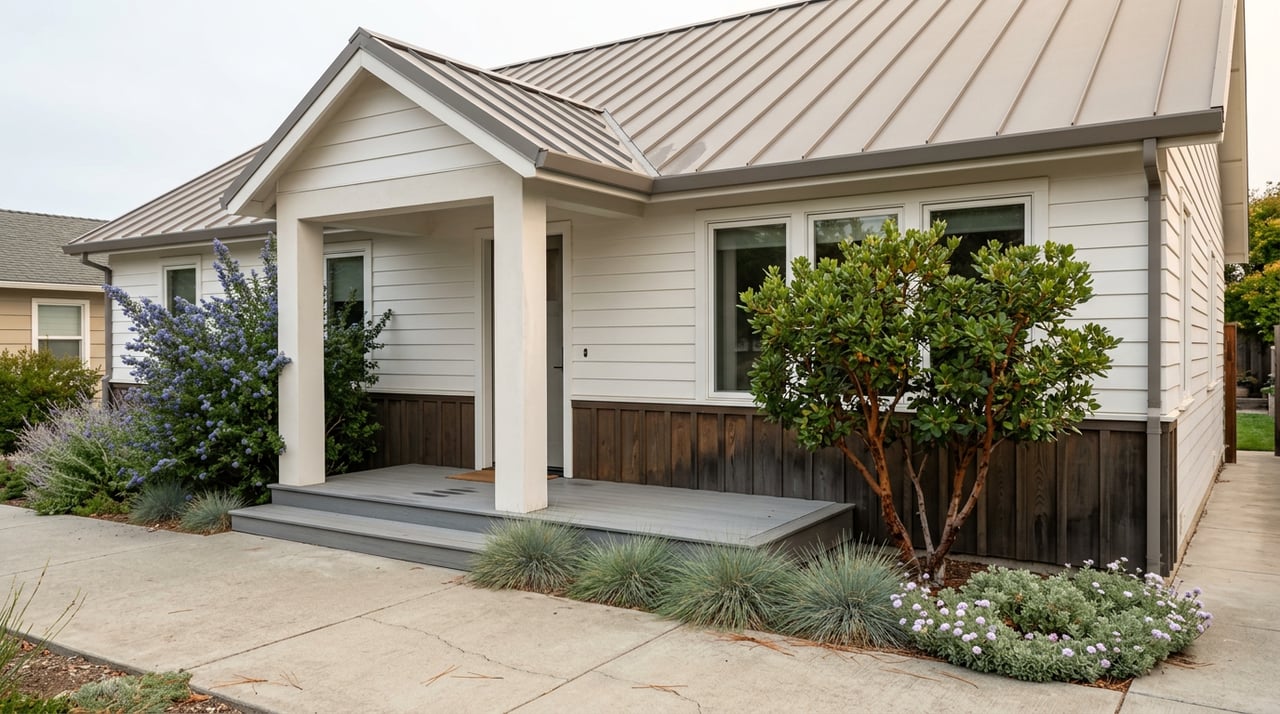
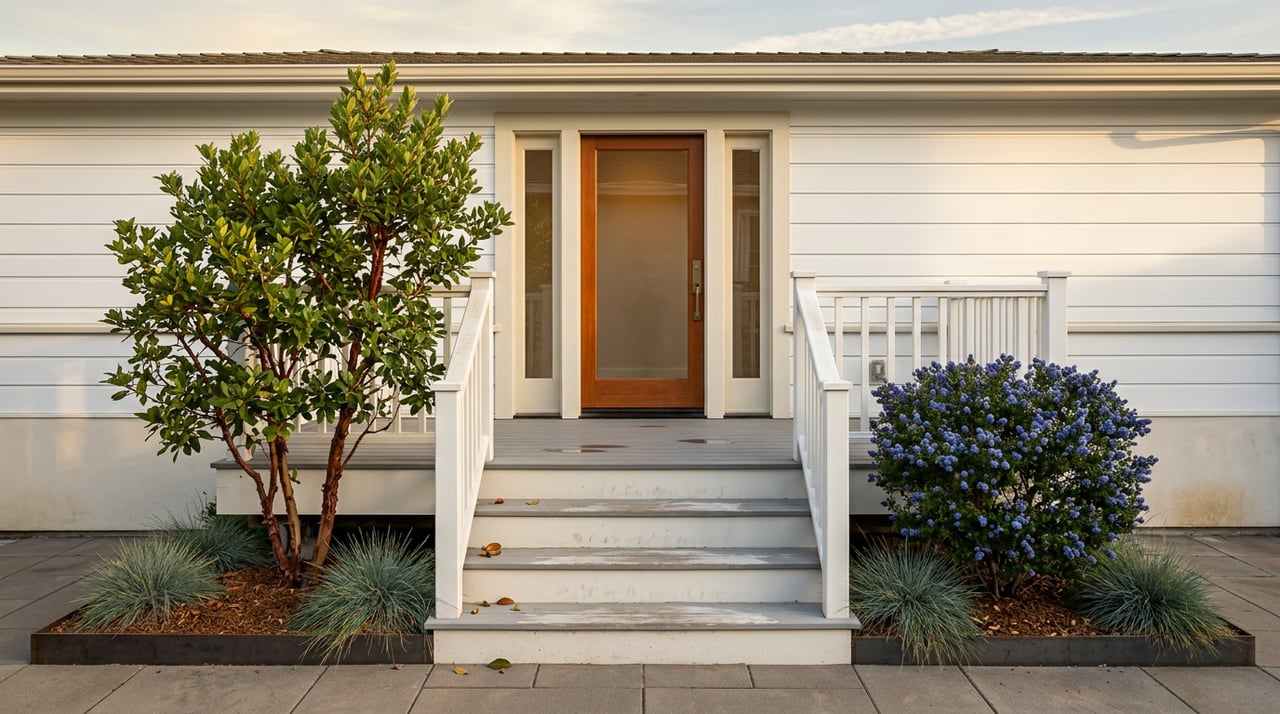
First impressions count. Power‑wash hardscapes, touch up paint on trim and the front door, add fresh mulch, and prune for clean sightlines. In high‑price markets, these lower‑cost updates can deliver outsized perceived value and stronger early offers, as echoed in HomeLight’s seller preparation guide.
A strong first week matters. San Mateo micro‑markets can move fast when a home is priced in line with recent comparable sales and presented clearly. Overpricing often reduces early traffic and leads to longer days on market. Work with your agent on a current CMA using the last 30 to 90 days of solds and active competition so you can meet the buyer pool where it is.
Spring and early summer often bring more buyer activity, though well‑prepared listings do sell year‑round. If you are 6 to 18 months out, plan your projects so you hit the market with momentum. For a sense of seasonal patterns at the county level, review MLSListings County Summaries and then fine‑tune with your agent’s hyperlocal data.
Beyond price, buyers respond to clean terms. Where your timeline allows, consider a short inspection window, competitive earnest money, and a flexible closing date that still protects your needs. You can see how buyers weigh information and speed in the NAR 2024 highlights. Your agent will tailor terms to your price point and neighborhood norms.
Maximize distribution to buyer agents and motivated consumers. That often includes a broker preview, direct agent outreach, and a full media package syndicating to major portals, plus short video highlights for social. The goal is simple: reach the right buyers quickly with the clearest story of value.
California requires a Transfer Disclosure Statement for most 1 to 4 unit residential sales. You must disclose known material facts about the property. Get this started early so buyers can review it upfront. You can read the statute in Civil Code section 1102.
Sellers must also provide a Natural Hazard Disclosure that identifies flood, seismic, and fire hazard zones when applicable. Review requirements in Civil Code section 1103. If you have completed seismic or fire‑hardening upgrades, note them.
You are typically required to deliver a written statement that smoke and CO alarms are installed and operable at transfer. Confirm placement and code compliance. See Health and Safety Code section 13113.8.
San Mateo County collects a documentary transfer tax at recording. If your property is inside city limits, a city transfer tax may also apply. Escrow will calculate the exact amount based on your contract price. Learn more at the San Mateo County documentary transfer tax page.
Use this practical plan to prepare for a successful launch. Adjust based on your home’s age, condition, and your move timeline.
Anticipate buyer questions in your description and property packet. It builds trust and speeds decisions.
San Mateo is a nuanced market where presentation, pricing, and timing work together. A senior local advisor can help you focus on the steps that matter most for your micro‑market and price tier. At Frank’s Home Search, you get premium listing marketing that buyers notice, including dedicated property microsites, cinematic video, and detailed 3D and 2D floor plans, paired with steady, data‑driven guidance from a long‑tenured local broker. If you are considering a sale in the next 6 to 18 months, reach out to Frank Vento to map your best path forward.