Everyday Living in Half Moon Bay: Commutes, Climate & Community
Thinking about trading your Peninsula routine for ocean air and open horizons? If you are weighing Half Moon Bay against life in San Francisco or Redwood City, you likely want the real story on commuting, weather, and daily conveniences. You also want to know how the town feels once the weekend visitors head home. This guide gives you a clear picture of everyday life, so you can decide if the Coastside fits your lifestyle. Let’s dive in.
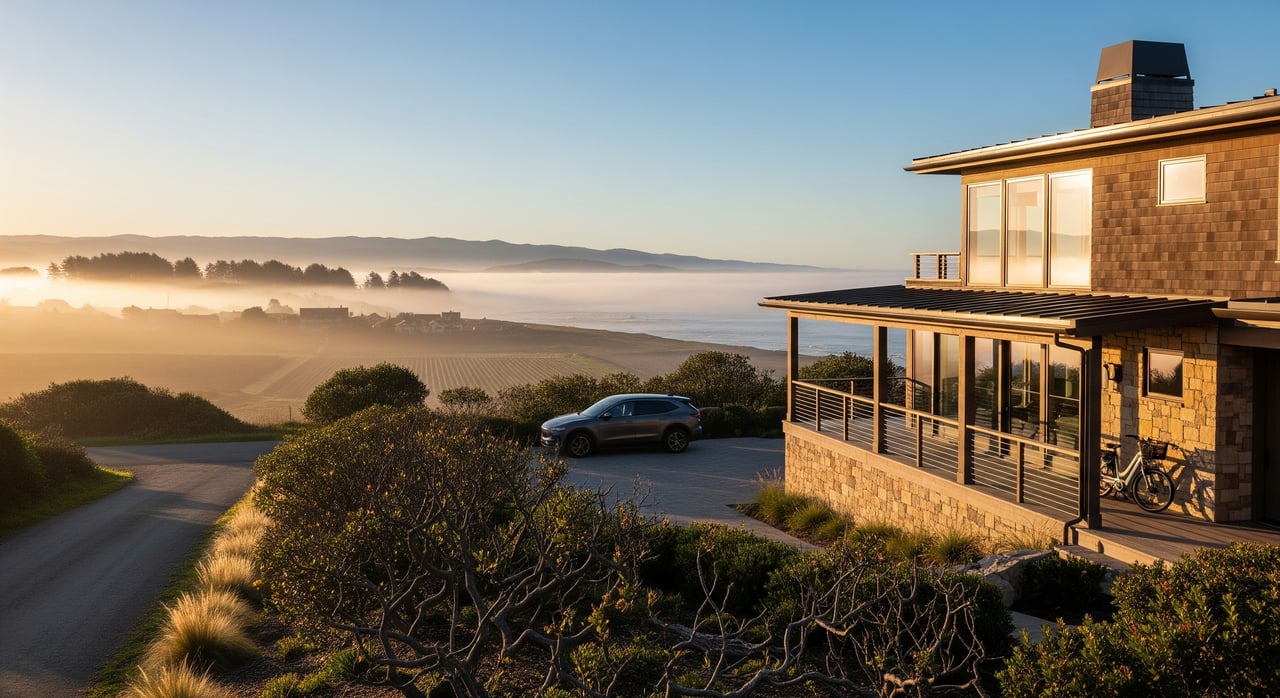
Half Moon Bay is a small coastal city in San Mateo County with roughly 11–12K residents. It sits on State Route 1 and connects to the Peninsula through State Route 92. You get a classic coastal town experience with fishing, farming, hospitality, and a close-knit downtown along Main Street.
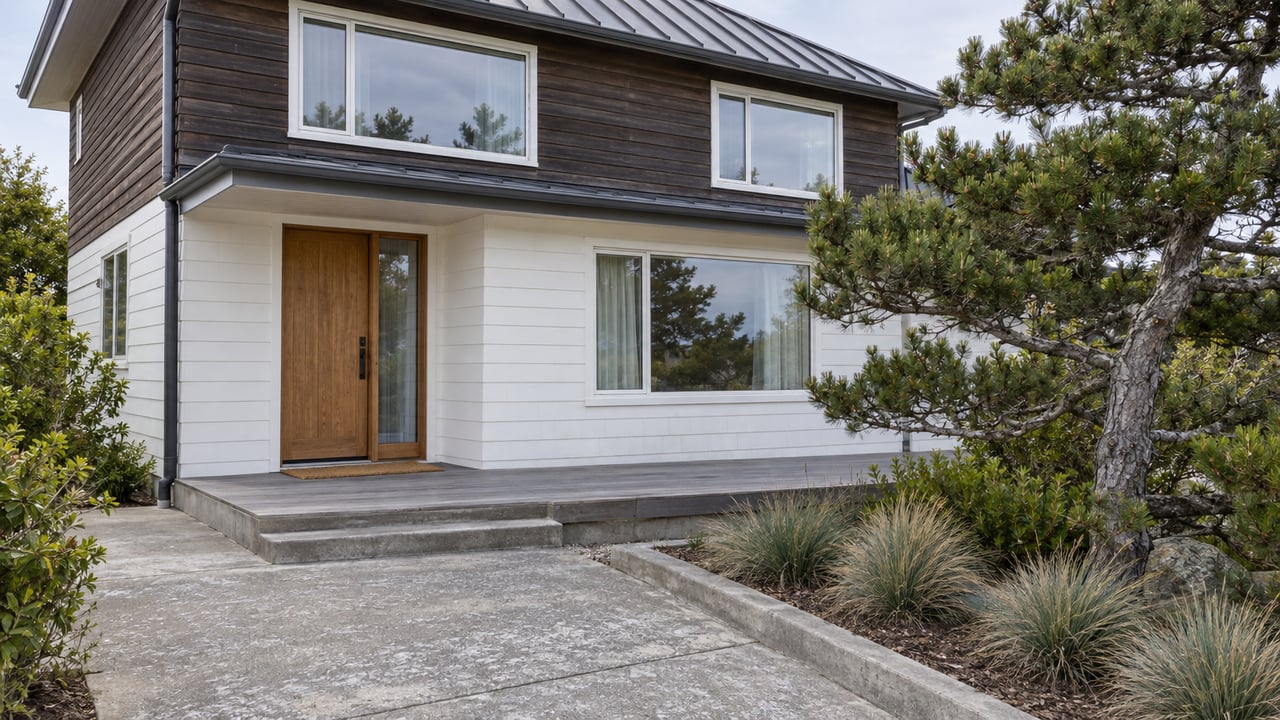
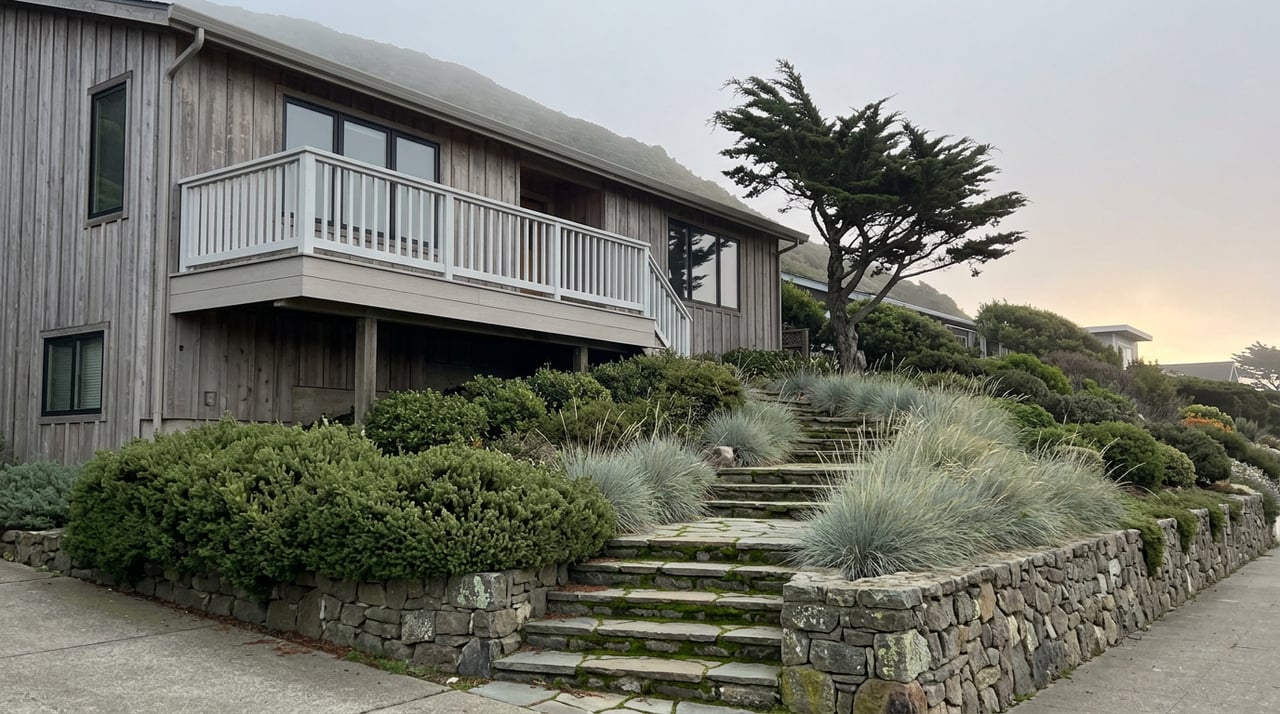
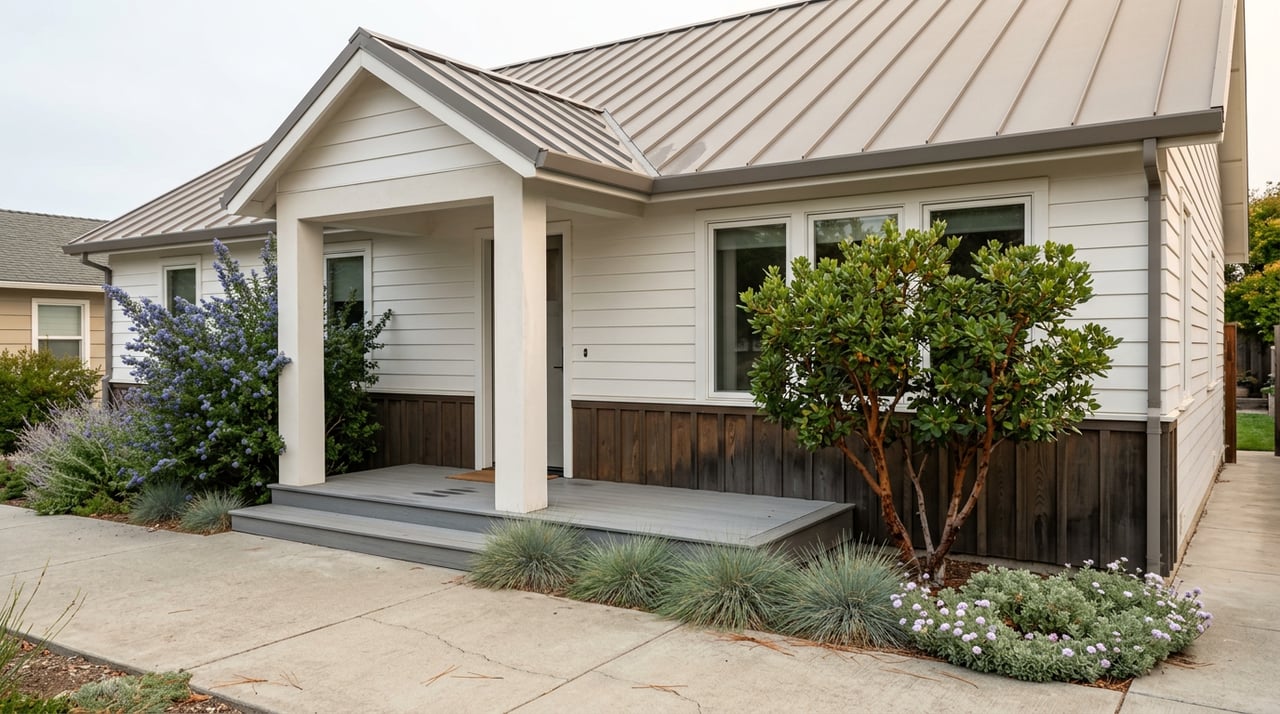
Housing ranges from older cottages and mid-century homes to newer subdivisions and luxury properties near bluffs and the harbor. Inventory is smaller than many Peninsula suburbs, and coastal views draw strong demand. The tradeoff is simple to understand. You get more nature and a slower pace, and you accept fewer specialty stores and longer drives for some services.
Half Moon Bay has a maritime, coastal Mediterranean climate. Ocean influence keeps temperatures steady and brings a frequent marine layer, especially in late spring and summer. Inland areas like Redwood City can be much warmer on the same day.
Layers are your friend year-round. Plan for cool mornings and evenings, and keep a windproof jacket in the car. If you love baking hot summers, know that the coast stays cool even in August.
For homes, prioritize efficient heating, good ventilation, and moisture management. Exterior materials, metal fixtures, and vehicles can show salt corrosion sooner than inland. Budget for proactive maintenance to keep things looking sharp.
Most residents drive for work and errands. The key routes are CA‑92 over the hill to I‑280 and US‑101, and CA‑1 along the coast. Distances are workable but times vary a lot:
Traffic ebbs and flows based on time of day, weather, and incidents. CA‑92 and the junctions with I‑280 and US‑101 are common congestion points during peak hours. Heavy winter storms can affect CA‑1 and CA‑92 with closures, landslides, or delays. Weekend events and summer beach days also add volume heading toward town.
Public transit exists but is limited compared with the Peninsula. Local buses and shuttles connect nearby areas, but most longer trips require a drive or transfer to Caltrain or BART stations on the Peninsula. Cycling works for short local trips. Commuting by bike to the Peninsula or San Francisco is uncommon due to distance and hills.
Cabrillo Unified School District serves Half Moon Bay and nearby Coastside communities. Half Moon Bay High School is the local public high school. As in any district, performance varies by school and cohort. If schools are part of your decision, review the California School Dashboard, district reports, and visit campuses to get a current view. Private school options are more common in larger Peninsula cities like Menlo Park, Burlingame, and Redwood City, and will require a commute.
Childcare capacity is limited in small towns, and waitlists are common for popular programs. If you plan to move with little ones, start your search early to secure a spot.
You will find primary care clinics and medical practices in town. For hospital and specialty care, most residents go to facilities on the Peninsula or in San Francisco. Plan routine appointments with travel time in mind.
For groceries and daily needs, you will find full-service grocery, hardware, and pharmacy options locally. Specialty retail and big-box stores are limited, so you will make some trips over the hill. Dining is a highlight, with a downtown core of restaurants and cafes supported by tourism and local energy.
If you love the outdoors, Half Moon Bay is a dream. You have Half Moon Bay State Beach, Poplar Beach, and miles of coastal bluff trails at your doorstep. The paved Half Moon Bay Coastal Trail is popular for walking, running, and cycling. Pillar Point Harbor offers boating and fishing access, and the world-famous Mavericks big-wave break draws global attention when conditions line up.
Nearby, you can explore Ano Nuevo to view elephant seals in season, the Pescadero Marsh, and numerous state and regional parks. Golf courses and resort hotels add to the recreation mix and bring visitors from across the Bay Area.
Tourism is part of local life. Summer weekends and major events, especially fall harvest and pumpkin festivities, create noticeable crowds and traffic. Many residents time errands for weekday afternoons, plan beach time early in the morning or late in the day, and keep alternate back-road routes in mind for local trips.
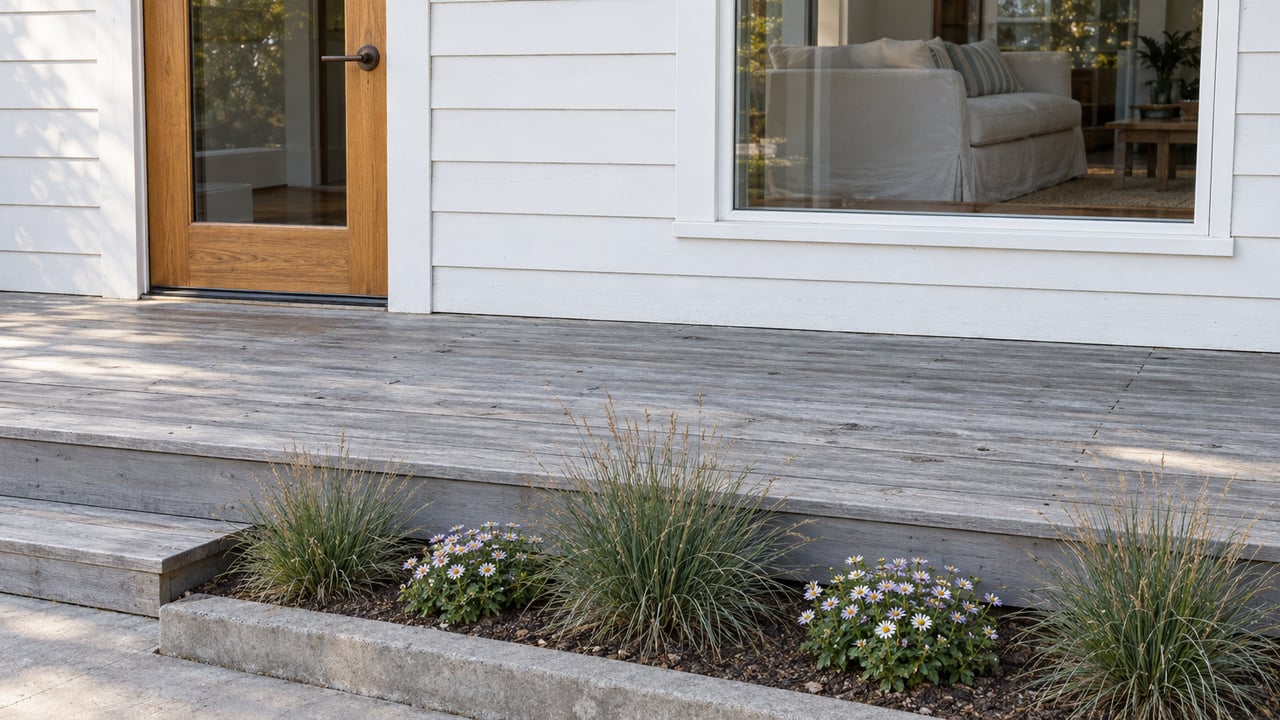
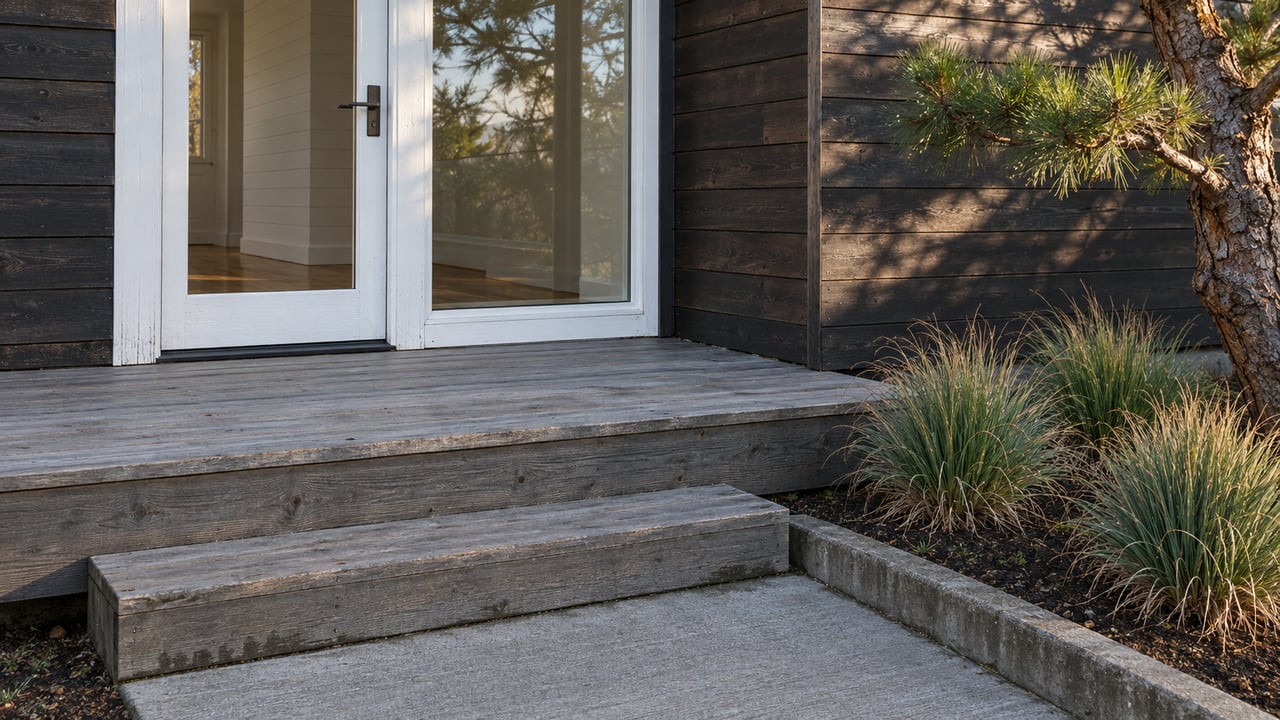
Coastal living has unique practical considerations. Salt air, wind, and moisture add wear to roofs, windows, railings, and vehicles. Set a maintenance schedule for paint, sealants, and metal fixtures. Choose exterior finishes and landscaping that stand up well to coastal conditions.
Insurance needs can differ from inland properties. Flood or erosion exposure varies by parcel, and premiums depend on location and home characteristics. Some shoreline or bluff properties may face additional permitting requirements and setbacks due to coastal regulations. If you are evaluating a specific property, review county coastal hazard maps, emergency routes, and local building standards.
Inventory on the Coastside tends to be tight, so your search may take longer. Desirable properties near the waterfront or with views can draw strong interest. Many buyers consider flexible timing, expand their search to nearby Coastside towns like El Granada, Moss Beach, and Montara, or prepare to act quickly when the right home appears.
Use this quick check to align lifestyle and budget with Half Moon Bay living:
If you said yes to most of these, Half Moon Bay might be a great match.
A local guide makes all the difference when you are weighing routes, microclimates, maintenance needs, and long-term value. With decades on the Coastside, a strong community network, and proven marketing for sellers and buyers, Frank Vento can help you compare options and move forward with confidence. Let’s connect.