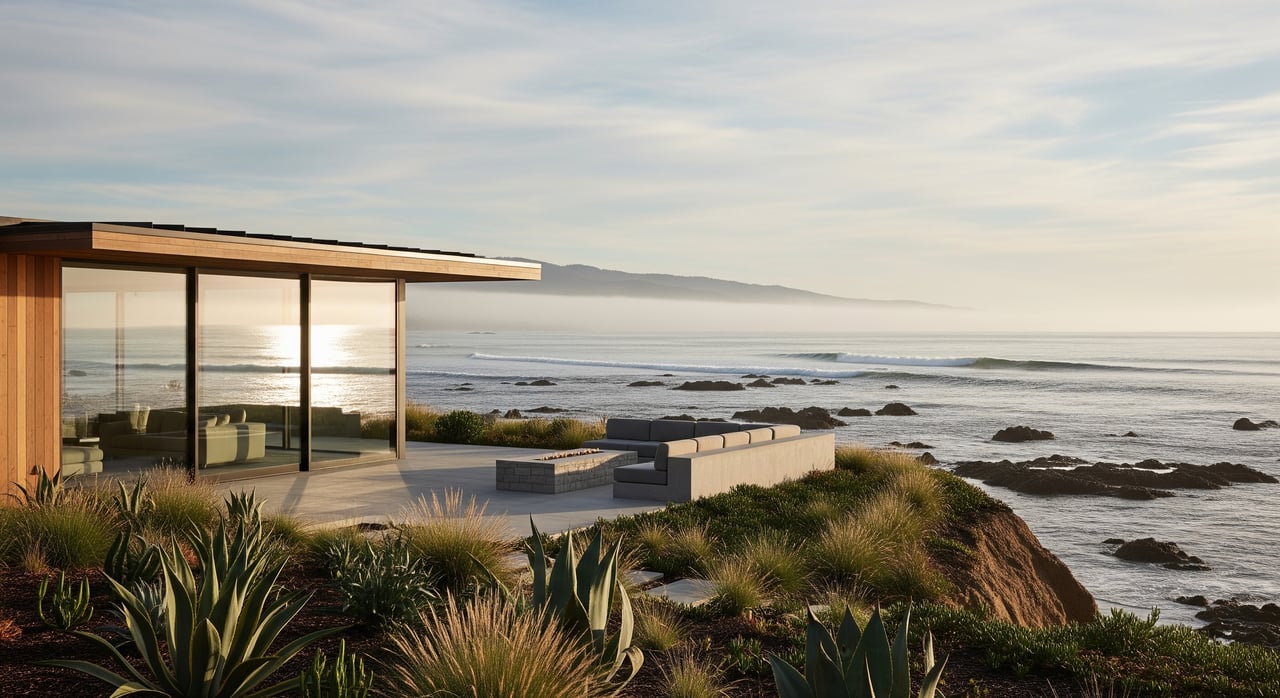
Living in Moss Beach: A Practical Coastside Guide
Ever wonder what it feels like to live where rugged bluffs meet the Pacific and fog drifts in like clockwork? Moss Beach offers that rare mix of quiet, small-town rhythm with quick access to Peninsula hubs when you need them. If you are weighing a coastal lifestyle, you likely want the real story on weather, commute, housing rules, and where daily life actually happens. This guide gives you a clear, practical look at living in Moss Beach so you can decide if it fits your goals. Let’s dive in.
Moss Beach is an unincorporated community on San Mateo County’s Coastside along Highway 1. It sits between Montara and Half Moon Bay, with the harbor and shops of El Granada just down the road. The feel is low key and outdoorsy, with more sea breezes and tidepools than shopping plazas.
Because it is unincorporated, services and permitting run through San Mateo County. Coastal development is also regulated within the state coastal zone, which adds an extra layer of review for major projects and bluff-top work. Many residents choose Moss Beach for ocean access, views, and a quieter base within reach of Peninsula jobs and amenities.
The outdoors shape daily life here. You can plan walks around tides, watch migrating whales in season, and catch sunset light on the bluffs even on a weekday.
This protected intertidal reserve is a local gem for low-tide exploring and shoreline ecology. Expect seasonal rules to protect wildlife. It is one of the best places to see starfish, anemones, and harbor seal haul-outs from a respectful distance.
Clifftop paths, stairways to pocket beaches, and nearby state beaches give you day-to-day access for walking, jogging, and birdwatching. Local trails connect into broader open-space systems on the Coastside, including routes toward Montara Mountain for ridge hikes and bigger days out.
A short drive south takes you to harbor activities, fishing charters, kayak rentals, and whale-watching excursions. The harbor promenade is a favorite for easy strolls with coffee and windbreaks when the bluffs are breezy.
Moss Beach has a small cluster of restaurants and cafes, including a well-known historic spot overlooking the ocean. For a wider range of groceries, bakeries, and services, you will likely head to El Granada and Half Moon Bay. Bigger retail, entertainment, and specialty medical and professional services are usually inland in cities like San Mateo and Redwood City.
Try this simple approach to settle in:
Elementary-age students attend schools within Coastside districts. Many middle and high school students go to schools in the Half Moon Bay area. For enrollment boundaries and program details, check the local school district and the California Department of Education to confirm the most current information.
Routine healthcare is available on the Coastside, while full-service hospitals are inland on the Peninsula. Law enforcement and major municipal services are provided by San Mateo County agencies, and local fire protection is provided by Coastside fire services. For emergency planning and coastal topics such as tsunami information, the county’s public-safety offices provide planning resources.
Expect a maritime climate with cool, mild temperatures most of the year. Summer often brings afternoon fog that can linger into the evening, while winter is wetter but still moderate compared with inland Bay Area neighborhoods. On many days, you will watch the fog burn off by late morning, only to return after sunset.
A few simple habits go a long way: keep layers by the door, plan beach time around wind and tide, and expect extra exterior maintenance on ocean-facing homes due to salt spray. Many residents embrace the rhythm and enjoy having calmer, crowd-free moments after day-trippers head home.
Highway 1 is your main corridor. To reach job centers, you will typically connect to Highway 92 toward I-280 and US-101, or drive north to reach San Francisco. Drive times swing with traffic, weather, and seasonal tourism, so it helps to allow buffers for meetings and airport runs.
Public transit is more limited than in urban Peninsula cities. SamTrans buses connect the Coastside to nearby hubs, but schedules are less frequent than Caltrain or BART service. There is no direct BART or Caltrain station in Moss Beach, so you will drive or use a connector bus to reach those lines. Many residents rely on partial or full remote work to reduce daily commuting.
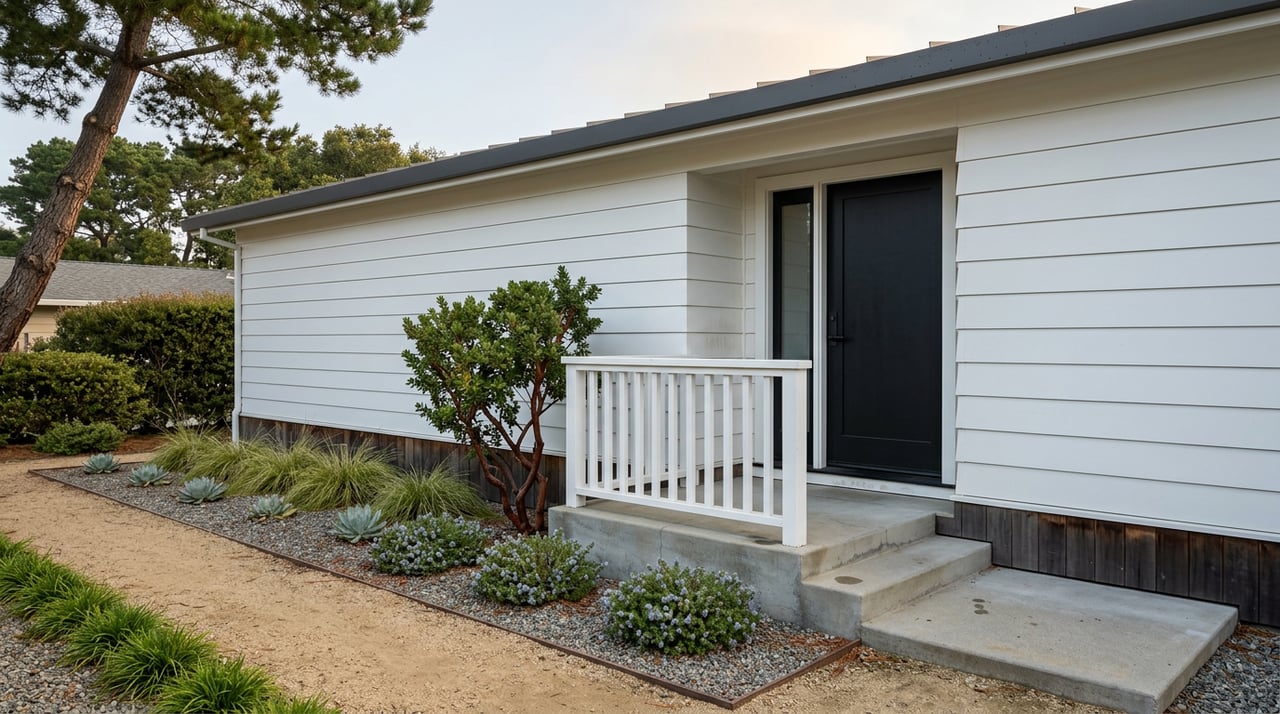
Housing in Moss Beach is varied. You will see bluff-top cottages, mid-century homes, ranch-style houses, and newer builds on subdivided lots. Ocean-view properties command a premium and can be in short supply. Inventory on the Coastside tends to be constrained, so it pays to be ready when the right home appears.
For second-home buyers and Peninsula professionals, Moss Beach can feel like a weekend retreat that still works for weekday life. If you are considering a remodel or new build, set expectations early for coastal permitting and geotechnical due diligence, especially near bluffs. For all homeowners, plan for coastal maintenance like corrosion control, roof and window inspections, and careful drainage.
Moss Beach sits within California’s coastal zone. That means larger renovations, new construction, and projects near bluffs often require county permits and may involve additional coastal approvals. The goals are to protect habitats, maintain public access, and reduce hazard risk.
Short-term rental rules exist at the county and nearby city levels and have evolved in recent years across the Bay Area. If you are buying with rental goals, verify current county rules before you set revenue expectations. For any remodel or new build idea, budget extra time to consult with San Mateo County Planning and, when relevant, coastal regulators.
Coastal living brings natural hazards that are very site specific. These include bluff erosion and instability, high surf and storm waves, tsunami exposure in low-lying shoreline segments, seismic risk, and localized landslides. Insurance costs and availability can vary for oceanfront and bluff-top properties, and lenders may request geotechnical reports for major work.
If you are evaluating a specific property, review county hazard maps and FEMA flood information. Ask about historical shoreline change, drainage, and prior geotechnical studies. The Coastside also participates in long-term planning for sea-level rise and adaptation, so it is wise to factor future conditions into your decisions.
Choose Moss Beach if you want your daily life to include tidecharts, coastal trails, and a quiet neighborhood feel. You trade larger shopping and quick transit for a more relaxed pace, ocean access, and views that do not get old. If you can align your schedule with a flexible commute or remote work, the balance often works very well.
If you are exploring Moss Beach homes, you will benefit from a local advisor who understands microclimates, permitting, hazard disclosures, and neighborhood-by-neighborhood nuances. For a steady, high-touch approach and deep Coastside experience, reach out to Frank Vento. Let’s connect about your plans and map the right path forward.